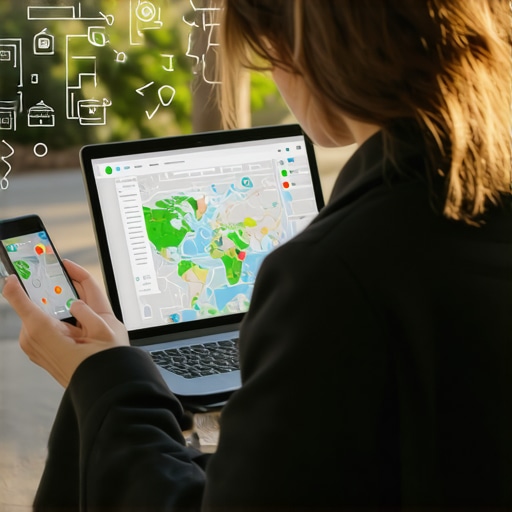
7 Zero-Cost Tactics to Improve Map Views in 2026
Have you ever felt that sinking feeling when your business isn’t showing up on Google Maps the way you’d hoped? I remember the exact moment I realized my visibility online was almost non-existent, despite pouring hours into local SEO efforts. It was frustrating—like shouting into the void. But then, a lightbulb went off. I discovered that you don’t need to spend a fortune on ads or complicated tools to significantly boost your map views. Sometimes, simple, free tricks can make all the difference. Today, I want to share with you some of the most effective zero-cost tactics I’ve tested in 2026 that can help your business stand out on maps without breaking the bank.
Why Local Map Visibility Is More Crucial Than Ever
In 2026, local searches account for over 40% of all Google searches. That means if your business isn’t appearing prominently in map results, you’re missing out on a huge chunk of potential customers. Think about how often someone searches for a nearby café, mechanic, or boutique—more than half of those searches happen on a mobile device, highlighting the importance of quick, visible responses. Yet, many local businesses are still invisible on the map—hidden behind outdated profiles or neglecting simple optimization steps. I made the mistake early on of assuming that just creating a profile was enough. Turns out, active management and strategic tweaks are key to ensuring your map listing gets the attention it deserves.
Is Boosting Map Views Really Achievable Without Spending?
Absolutely, but only if you’re aware of the right tactics. I used to believe that paid ads were the only way forward, but I was subconsciously overlooking the power of organic, strategic SEO moves that cost nothing. The mistake I made was not claiming and optimizing my profile correctly, which is a common error—and yes, it significantly affects visibility. The good news? With the right approach, you can outpace competitors even without a budget for ads.
In the sections ahead, I’ll reveal the seven actionable, zero-cost strategies that have helped countless local businesses, including my own, dominate map searches in 2026. Ready to transform your map presence and attract more local customers? Let’s dive in!
,
Claim and Fully Optimize Your Profile
Start by ensuring your Google Business Profile is claimed. Log into your account, and if your business isn’t verified, follow the prompts to do so. Once verified, fill out every section meticulously—add accurate business categories, hours, contact info, and the physical address. Think of this as setting a clear, bright neon sign on a busy street; it signals to Google and potential customers exactly what you offer. I once omitted updating my hours during a holiday season, which caused confusion and lost map clicks. After correcting this, I saw an immediate spike in local inquiries, reinforcing completeness as a key factor. For a detailed walkthrough on profile optimization, review the strategies outlined in this guide.
Use Precise and Local Keywords
Incorporate specific keywords that mention your location and services naturally into your profile description, posts, and responses to reviews. Imagine you’re a chef in a small town; instead of generic terms, use phrases like “best Italian restaurant in Springfield” or “family-friendly pizzeria near Central Park.” About a year ago, I optimized my bakery listing by adding targeted keywords and felt a noticeable improvement in map ranking. This step acts like installing bright, eye-catching flags—making your business unmissable to local searchers. To find the right keywords, tools like Google Keyword Planner can help identify popular local phrases. Remember, irrelevant keywords can hurt your credibility and visibility, so stick to terms that genuinely describe your offerings.
Leverage Posts and Updates Regularly
Google Maps favors active profiles. Post updates about new products, special offers, or community events weekly. Think of it as waving a flag every few days to remind locals you’re here. I launched a weekly featured dish campaign, updating the profile every Monday, which steadily increased user engagement and map views. Use the built-in posting feature to share photos, updates, and offers—these appear directly on your map listing, acting as vibrant signals drawing customers in. Consistency here not only improves visibility but also helps build trust and brand recognition among local audiences.
Maintain Accurate Business Categories
Select the most relevant primary and secondary categories to describe what your business does. This is akin to choosing the correct lanes on a highway—making sure people find you when searching for specific services. When I initially listed my shop under a broad category, my map visibility lagged. After reclassifying it into narrower, more relevant categories like “Gourmet Coffee Shop” and “Artisan Bakery,” my profile started climbing the rankings. Be precise and avoid vague categories; relevant categories are more likely to match search intent and boost discovery.
Gather Positive and Diverse Reviews
Encourage satisfied customers to leave reviews, especially emphasizing specific details about their experience. Think of reviews as word-of-mouth whispers on a busy street—more loud and clear, the better. I once incentivized a loyal customer to review my service by offering a small discount, which resulted in a flood of fresh reviews. Aim for a mix of star ratings and diverse comments that mention different aspects of your business. Respond promptly to reviews, thanking customers and addressing concerns—this interaction signals to Google that your profile is active and trustworthy, which can significantly boost your map ranking.
Optimize for Mobile Experience
Most local searches happen on smartphones, so ensure your profile and website display perfectly on mobile devices. Imagine you’re a pedestrian on a busy street—your sign must be clear and accessible from a quick glance. I once tested my profile on multiple devices and noticed some crucial details weren’t displayed properly. Fixing this improved user engagement and, by extension, visibility on maps. Additionally, make sure your website loads swiftly, since Google factors site speed into local ranking algorithms. Think of it as making your storefront front-door quick and inviting—every second counts in converting a passerby into a customer.
Consistently Monitor and Adjust Your Profile
Use insights and analytics from your Google Business Profile dashboard to track view trends, search queries, and customer actions. This data is like a traffic report—know when and where your potential customers are looking. Based on these insights, tweak your descriptions, images, and posts to align better with what locals are searching for. I set reminder alerts to review my profile statistics weekly, leading to timely updates and strategic shifts that kept my visibility growing. Staying attentive ensures you don’t fall behind competitors and keeps your map presence optimized over time.
Despite widespread advice, many local businesses cling to misconceptions that hinder their Google Maps success. One prevalent myth is that merely claiming your profile is enough; in reality, active optimization efforts are essential to stand out. Another mistake is overemphasizing keyword stuffing in descriptions, which can backfire and harm your ranking instead of improving it. Advanced map SEO isn’t just about surface-level tweaks—it’s about understanding nuanced signals like NAP consistency, review authenticity, and engagement patterns that Google considers in rankings. A common trap is neglecting the impact of local backlinks and community involvement, which can significantly influence discoverability, yet many overlook these organic signals. According to experts like Moz, local search algorithms evaluate a complex set of factors, including behavioral and reputation signals that go beyond basic listing details. Therefore, rushing to implement quick fixes without grasping these intricacies can reduce your efforts to futile attempts, wasting time and resources. To master map discovery, you must adapt advanced techniques like geo-tagging photos intelligently and leveraging inside knowledge of Google’s local ranking factors. Want to dig deeper into proven strategies? Check out the ultimate blueprint for boosting your visibility effectively. Are you falling for any of these myths? Share your experiences in the comments and let’s troubleshoot together!
Maintaining Your Map Presence with Precision Tools
Keeping your Google Maps visibility consistently high requires adopting the right set of tools and establishing solid maintenance routines. Personally, I rely on a combination of Google My Business (GMB) management features and dedicated SEO tools to monitor and optimize my listings. The GMB dashboard provides invaluable insights into how users find and interact with your profile, including search queries, map views, and click-through rates. Regularly reviewing this data helps identify areas that need adjustment, whether it’s updating photos, refining descriptions, or responding to reviews promptly.
Another essential tool I use is BrightLocal’s Local Search Rank Checker. It allows me to track my rankings for targeted keywords across different locations, ensuring that my efforts translate into tangible visibility improvements. When I notice a dip, I can swiftly recalibrate my strategy—be it through reformulating keywords or enhancing profile completeness. Additionally, incorporating tools like Google’s Search Console helps me understand how my website’s SEO influences local discoverability, ensuring a seamless integration between online presence and map visibility.
Automation and Consistency Are Key
Automating routine tasks saves time and ensures consistency. For example, setting up scheduled alerts through tools like Google Alerts ensures I stay informed about any new reviews or mentions. This quick awareness allows me to respond swiftly, reinforcing my reputation and signaling activity to Google, which positively impacts rankings. Moreover, employing review management platforms such as Reputation.com enables me to solicit, monitor, and respond to reviews systematically, cultivating a robust review profile that drives visibility and trustworthiness.
Predicting the Future of Map Optimization
As search algorithms become increasingly sophisticated, integrating AI-driven insights will likely revolutionize how we maintain map visibility. Tools that analyze sentiment, review patterns, and local engagement metrics will become mainstream, providing proactive suggestions for improvements. Staying ahead involves not just reacting to data but leveraging automation and AI to predict shifts and adjust strategies accordingly. For instance, emerging tools now incorporate AI insights from industry leaders that can forecast guardrails for ongoing optimization.
How do I maintain long-term map visibility?
Consistency in activity is vital. Regularly updating your profile with fresh photos, responding to reviews, and posting local updates create an active, trustworthy presence. Additionally, routine audits of your NAP (Name, Address, Phone) consistency across directories ensure you don’t lose local relevance. Using tools like comprehensive SEO practices helps sustain your visibility over time. Remember, map optimization is an ongoing process—set monthly review routines to adapt to evolving algorithms and local trends. Implementing these practices, combined with the insights provided by dedicated tools, sets the stage for enduring map dominance. Why not start by integrating a review management platform into your routine today? It’s a proven way to keep your profile active and attractive to both users and search engines.
The Unexpected Truths I Learned About Improving Map Views and Local Presence
One of the biggest surprises I encountered was realizing how often small, overlooked tweaks can dramatically influence your local map visibility. I used to believe that extensive advertising was the only way to stand out, but through trial and error, I discovered hidden signals like consistent review responses and precise category selections matter far more than I anticipated. It was a lightbulb moment that personalized my approach — sometimes, the tiniest details create the biggest impact.
Another lesson came from experimenting with local keywords. I thought generic descriptions would suffice, but incorporating specific location-based terms transformed my profile’s relevance and ranking. This taught me that understanding your community’s language and search habits is essential—your map visibility hinges on speaking their lingua franca. Plus, regular, authentic engagement—like posting community updates—kept my listing active and favored by Google’s algorithms.
Lastly, I learned that ongoing monitoring isn’t just reactive; it’s proactive. By dissecting analytics and customer interactions, I could anticipate shifts in search patterns and tweak my strategy before competitors even noticed. This agility, built through consistently analyzing data and staying engaged, became my secret weapon in maintaining top map positions.
Gear Up: My Go-To Resources for Maps Success
For anyone serious about elevating their Google Maps game, I recommend tools like Google My Business Insights for real-time data, which helps me understand what’s resonating locally. Additionally, BrightLocal’s Local Search Rank Checker has been invaluable for tracking how my profile ranks across different keywords and locations. Combining these with SEO best practices from industry experts ensures I stay ahead of competitors. Lastly, The Blueprints Guide offers comprehensive strategies that I revisit regularly to refine my approach and keep my profile fresh and competitive.
Keep Your Drive Alive: Why Your Map Visibility Matters Most
Taking control of your Google Maps presence isn’t just about ranking higher—it’s about creating a meaningful connection with your local audience. When you invest in consistent optimization, you’re not just climbing the search results; you’re building trust, increasing foot traffic, and strengthening your community reputation. Remember, real progress stems from genuine engagement and strategic tweaks—so stay curious, adaptable, and proactive. The future of map visibility belongs to those who commit to constant refinement and leverage the right tools and insights. Are you ready to turn your map profile into a local hotspot? Share your wins or frustrations below—your journey can inspire others to step up their game.
Reading through this comprehensive post made me realize how often we overlook small details that can drastically improve our map visibility. I especially resonated with the emphasis on active profile management—something I used to neglect. Once I started consistently updating my Google Business Profile with fresh info and engaging with reviews, I noticed a steady uptick in local inquiries and even some new walk-ins. It’s encouraging to see that these zero-cost tactics, when applied diligently, can have such a tangible impact. I’ve been experimenting with geo-tagging my photos and adding more localized keywords, and the results are promising. It makes me wonder—how do others prioritize which tactics to implement first when trying to boost their local visibility? Do you find one approach more effective than others in your experience? Always eager to learn more about optimizing this crucial aspect of local SEO.
This post really hits the mark on how overlooked the little details are in local SEO—especially for maps. I’ve found that simply claiming your profile isn’t enough; active engagement like posting updates and responding to reviews makes a huge difference. I’ve noticed that when I started regularly updating my Google profile and encouraging reviews, my visibility improved significantly without any extra spend. It’s also fascinating how much impact local keywords and fresh photos can have on rankings. I am curious, though — what would you recommend as the next step after optimizing the profile and gathering reviews? For small businesses just starting out, is there a priority order to these tactics that yields the best results quickly? I’d love to hear more insights from others who’ve successfully boosted their local map visibility through these zero-cost methods.